
Hello!
Welcome to
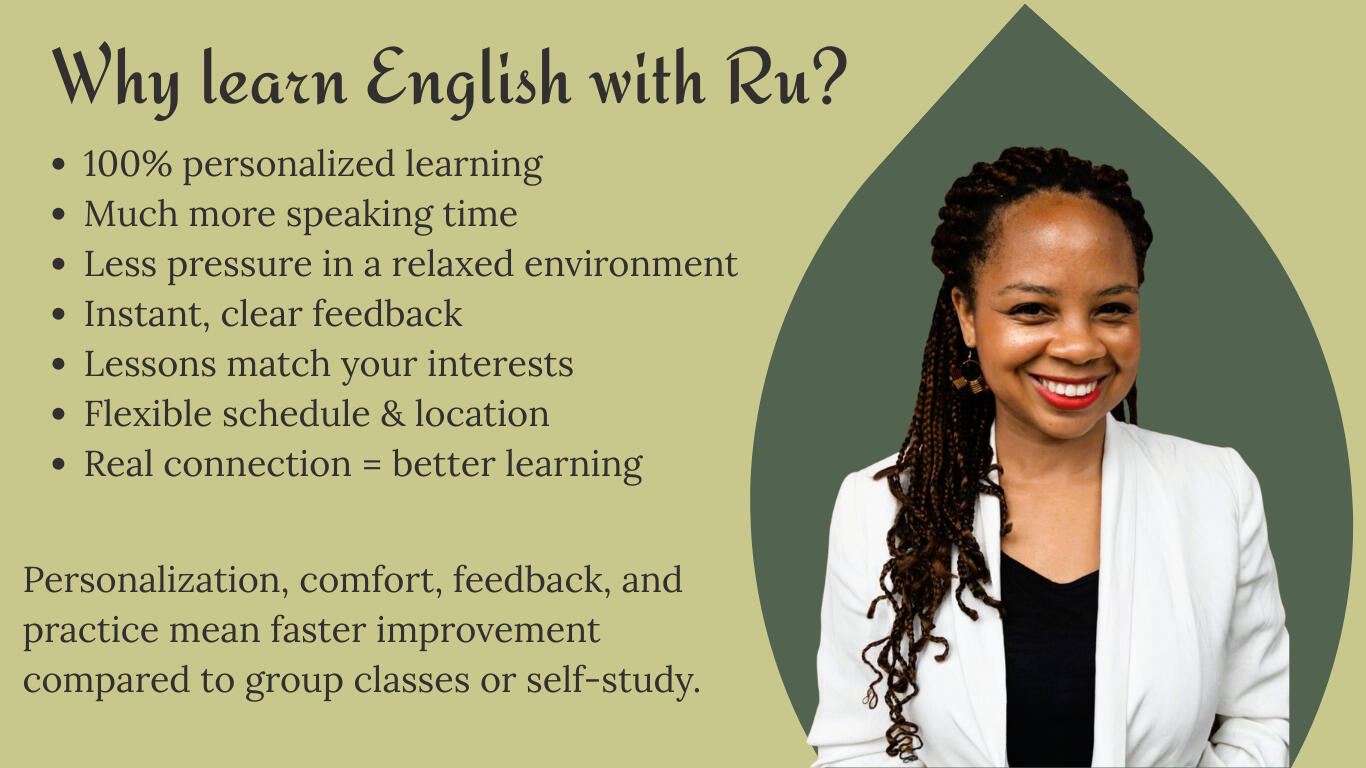
100% personalized learning
Every minute is about you—your level, your goals, your pace. Want to focus on conversation, pronunciation, business English, or exam prep? Done. No waiting for other students or following a fixed syllabus that doesn’t fit.
More speaking time
In group classes, you might speak for a few minutes. In 1-on-1 classes, you’re talking constantly, which is the fastest way to build fluency and confidence.
Less pressure, more confidence
A friendly teacher creates a safe space. You can make mistakes, ask “silly” questions, and experiment with new words without feeling embarrassed.
Instant, clear feedback
I can correct pronunciation, grammar, and word choice right away and explain it in a way that makes sense to you.
Lessons match your interests
Are you interested in travel, movies, work-related topics, or something very specific? Tell me about it! I'm happy to discuss things you care about, which makes classes more fun and helps vocabulary stick.
Flexible schedule & location
Learn from home or a café. Have a tea with me. Morning, evening, or weekends. Make your online 1-on-1 classes fit your life.
Real connection = better learning
When your teacher is knowledgeable and friendly, lessons feel like a conversation, not a lecture. That relationship keeps you motivated and makes learning English something you look forward to, not a chore.
Find the class that is right for you
One-on-one private, customized lessons for you. Great for all levels. Some popular options that students enjoy:
Free-flowing, natural conversation

Reading stories and/or articles

Test preparation/interview preparation

Focusing on grammar points

Group classes

About Me
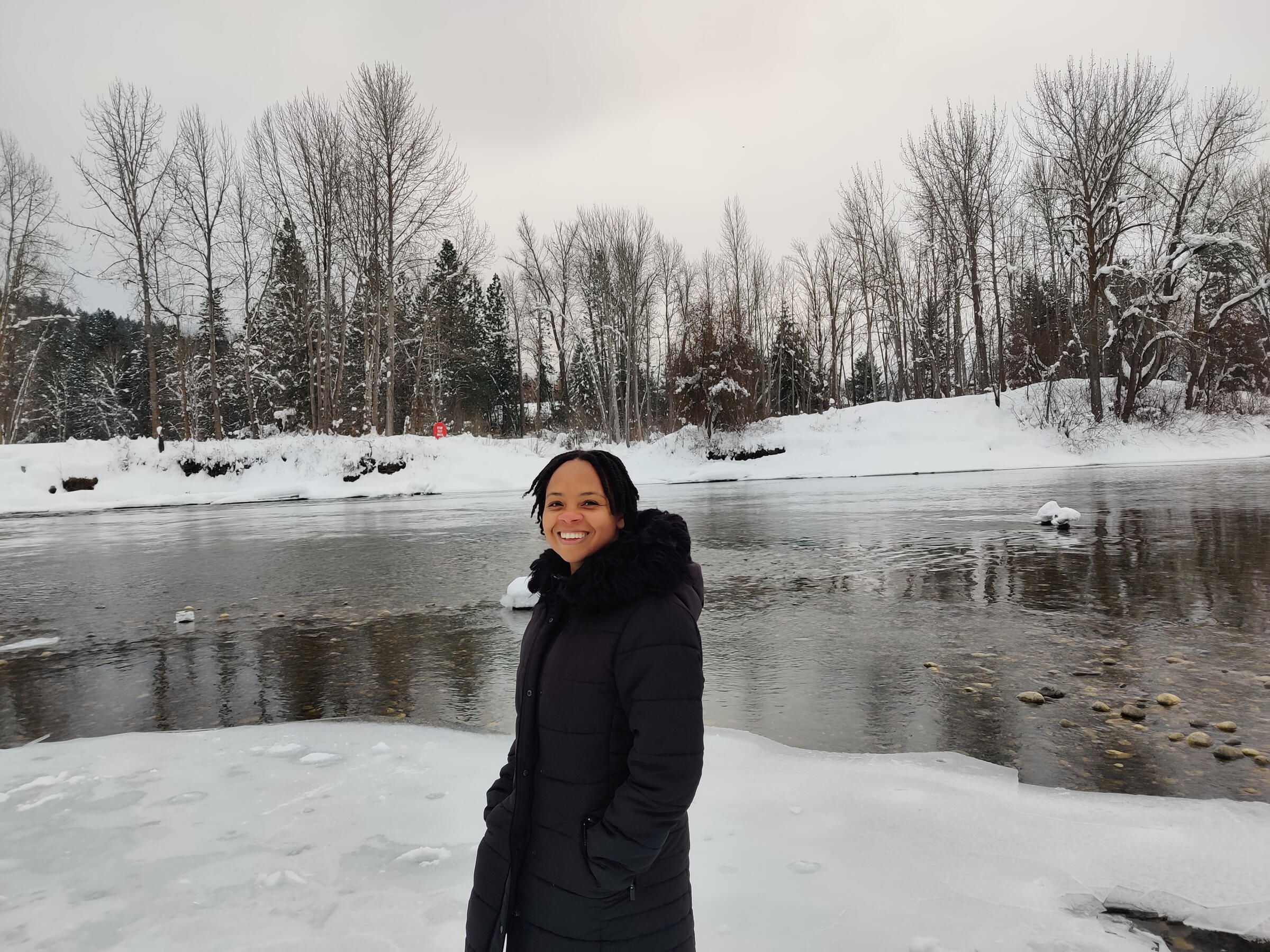
My name is Ru. I am a lover of nature, animals, and languages. I am originally from the United States, and have taught English for over 10 years. Furthermore, I am TEFL certified, and have taught online and in person, to both children and adults. I've had the opportunity to live and teach in many different countries, such as Spain, South Korea, China and Mexico. These incredible experiences have humbled me and opened my eyes to different languages, cultures, and many forms of beauty.I understand that everyone has their own style and pace of learning. In teaching languages, as well as any other subject, I feel it is important to meet students where they are, rather than where a teacher or test says that they should be. Finally, as a lifelong learner myself, I understand how difficult learning a language can be. It is a constant process, and it is important that we have patience with ourselves.
My professional field outside of English is in the humanitarian and social sector. I hold a bachelor's degree in psychology and a master's degree in international migration, and most of my experience comes from working with migrants, youth, and people in vulnerable situations for many years. I am passionate about giving back to our communities and helping to improve the world.To me, learning a new language opens up a new world.
Does it sound like I might be a good fit for you? Find out below!
Classes and Rates:
Conversation classes
The most relaxed of the options. These one-on-one conversation classes focus on improving fluency, confidence, and natural speaking skills. Sessions are friendly and interactive, with discussions based on everyday topics, personal interests, and real-life situations. The classes are adapted to your level, so you can practice speaking comfortably and effectively.Cost (All classes are 60 minutes)1 class = 20€
5 classes = 90€

Article Reading and Discussion
This class focuses on reading and discussing articles suited to your level, with a strong emphasis on acquiring new vocabulary. Articles may be shared before class so you have time to read and research, or we can select and read them together during the session. Classes emphasize reading comprehension, vocabulary building, and speaking skills through guided discussion and questions.Cost (All classes are 60 minutes)1 class = 22€
5 classes = 95€
Test Preperation
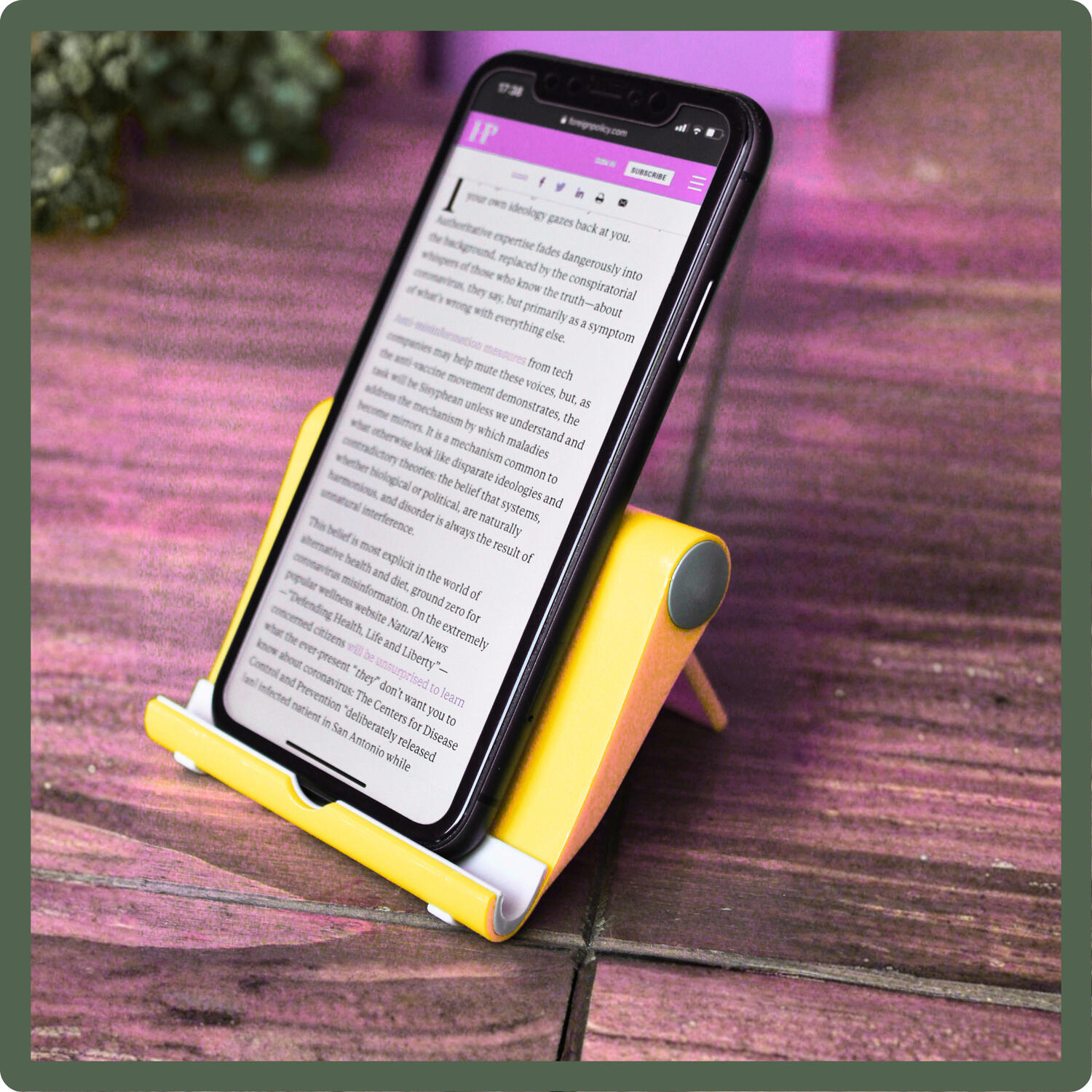
These classes are designed to help students prepare for international English exams such as IELTS and TOEFL. Both tests are commonly required for study, work, or immigration abroad. Preparation classes focus on mock tests, and key skills, including reading, listening, and speaking. Lessons are tailored to your level and goals, with guided practice and detailed feedback.Cost (All classes are 60 minutes)1 class = 25€
5 classes = 110€

Grammar classes (60mins)
These are personalized one-on-one English grammar classes focused on your specific level and goals. Each session encourages active participation, with plenty of time to ask questions and practice speaking. Occasionally, short reading materials may be shared before class to support discussion and grammar practice. If requested, homework will also be given to complete before the next class.Cost (All classes are 60 minutes)1 class = 25€
5 classes = 110€
Group classes
Classes will have a minimum of two, and a maximum of five students. Everyone is encouraged to speak. The classes will be based on level, to not have very beginner students with advanced levels. Sometimes reading material will be given before the class, so we can all discuss it together.Cost (All classes are 60 minutes)1 class = 10€
5 classes = 45€Availability:
There are no group classes at the moment.

To get started, book your first FREE conversation with me
Our first session of 30 minutes is free. This will be a conversation to get to know you (and for you to see if I am a good fit for you as well). Be sure to let me know your learning goals and how you generally like to learn. If you're not sure, don't worry at all! We can talk about decide together.This is a free trial class, and there is no obligation to continue if you think we're not a good fit.
Some tips for learning English on your own
Watch movies and TV shows in English.This is something I suggest for all levels. Doesn't matter if you're just beginning or advanced. Listening gets you used to the speech patterns and pronunciation of native speakers. Not to mention all of the slang you will pick up! Also, don’t underestimate subtitles!
Level 1: Subtitles in your language
Level 2: Subtitles in English
Level 3: No subtitles
Learn vocabulary in context, rather than a long list of wordsIdioms and Collocations are best learned as a group of words.
Here are some example idioms:To read the room
Meaning: To understand the mood or situation and behave appropriately.
Example: He kept joking during the meeting and clearly didn’t read the room.To move the goalposts
Meaning: To change the rules or expectations after something has already started.
Example: They agreed to the plan, then moved the goalposts halfway through the project.To throw someone under the bus
Meaning: To betray someone to protect yourself.
Example: She threw her colleague under the bus to avoid blame.To miss the forest for the trees
Meaning: To focus too much on small details and miss the big picture.
Example: She’s worried about minor errors and missing the forest for the trees.If you enjoy learning idioms, here is a page with more.
A collocation is a group of words that naturally go together in English. These are phrases that native speakers say automatically, and other combinations sound “off,” even if they’re grammatically correct. For example, you can make a decision, but not take or do a decision.Below are some examples.
Study a little every day. Consistency will always beat intensity20–30 minutes daily is better than 3 hours once a week. If this isn’t possible due to a busy work or family schedule, try to put aside two or three days a week to have some “English time.”
Read articles and use resources online to help you.One of my favorite sites is Engoo. They always have interesting articles in different categories such as: business and politics, Science and Technology, Health and Lifestyle, Culture and Society, travel and experiences. If you have a more advanced level try reading articles in English written for natives. I'll link some more resources at the bottom of this page.
Write short, simple things regularlyThis helps with spelling, and vocabulary retention.
You can try:
- Daily, short English journals
- Writing out English song lyrics or anything else that is interesting to you
- Write down new words you learn with their correct spelling, definitions and an example sentence.
Speak, Speak, Speak!The more you speak, the faster your progress will be. Yes, it really is that simple.
Be patient with yourselfLanguages are not something that come quick or easily. It takes dedication, hard work and a lot of time. Stick with it and even if it feels like you’re not progressing, trust that you are. Remember that progress is uneven.
Some examples of collocations
| Verb + Noun | Adjective + Noun | Adverb + Adjective | Preposition collocations |
|---|---|---|---|
| raise an issue | firm decision | poorly written | capable of |
| meet a deadline | strong possibility | highly effective | interested in |
| pose a threat | sudden change | pleasantly surprised | by mistake |
| draw a conclusion | mixed feelings | closely related | rely on |
| take responsibility | awkward silence | deeply disappointed | responsible for |
Some Helpful Links
Links to great resources that I enjoy:You can take a test and get an estimate of your English level hereTedEd short informational videos. Learn something new as you strengthen your English. Note that these are made for native speakers, so the level is advanced.Idioms and More IdiomsVOA or Voice of America. Videos, podcasts, and other resources.Engoo in case you missed it. Daily articles of varying degrees of difficulty, complete with vocabulary.A list of all the phrasal verbs you might hear or need to use.